

Why Utility Management Systems Are Becoming Essential for Modern Business Operations
Managing utilities used to be relatively straightforward. Electricity bills arrived once a month, water usage was reviewed when costs seemed unusually high, and most businesses treated utilities as background operational expenses rather than active business risks. That reality has changed dramatically.
Today, rising utility tariffs, operational pressure, infrastructure strain, and sustainability reporting requirements have pushed businesses to take a far closer look at how electricity, water, and broader utility consumption affect long-term performance. Companies are no longer asking whether they should monitor utilities more closely. The real question is how to manage multiple resource streams efficiently without creating fragmented systems and disconnected reporting structures.
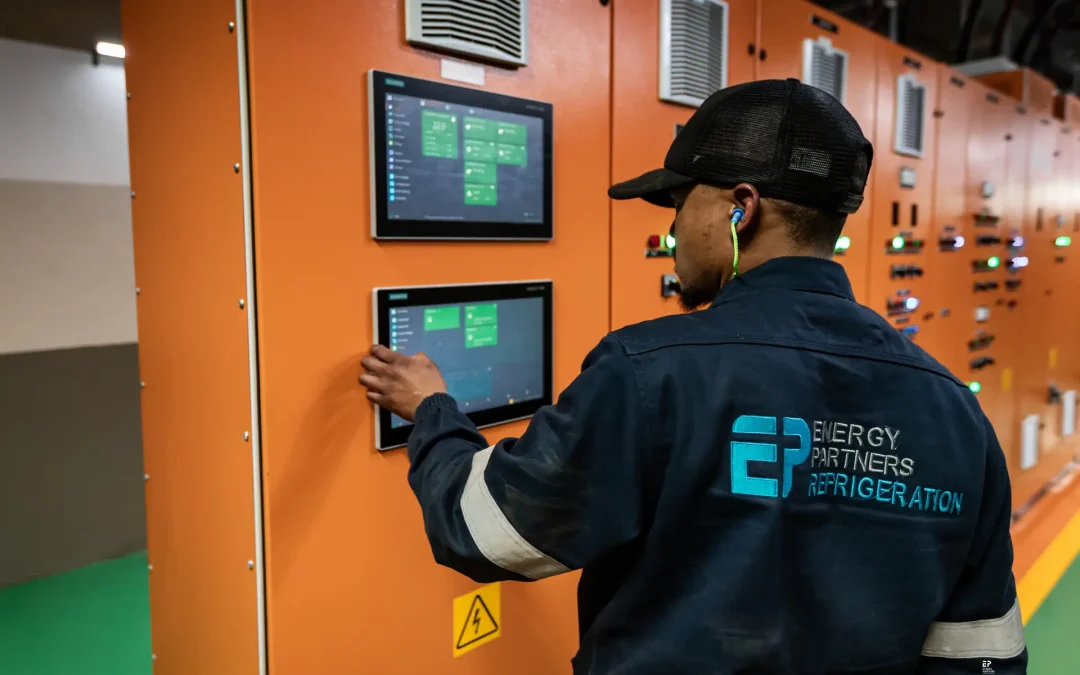
Energy Partners has seen a growing shift toward integrated utility management systems that allow organisations to monitor electricity, water, and utilities within one centralised environment. Businesses are increasingly moving away from isolated monitoring tools and towards connected platforms capable of delivering clearer operational visibility across facilities, infrastructure, and distributed operations.
The reason is simple. Modern operations depend on accurate, accessible utility intelligence.

Utility Management Systems Are Moving Beyond Traditional Monitoring
For years, utility monitoring was often reactive. Businesses reviewed invoices after the fact and responded only once problems became visible through rising costs or operational disruption. Unfortunately, by the time abnormal consumption patterns appeared in monthly billing cycles, inefficiencies had often already caused significant financial impact.
Modern utility management systems are changing that approach entirely.
Instead of operating with delayed visibility, organisations now have access to live infrastructure data capable of showing exactly where electricity and water are being consumed throughout operational environments. This level of visibility allows facilities teams, operational managers, and executive leadership to make faster and more informed decisions.
What makes the shift especially important is the growing overlap between operational continuity and utility performance. Electricity instability affects production. Water inefficiencies increase operational expenditure. Utility disruptions can interrupt logistics, refrigeration, manufacturing, healthcare services, and commercial property operations almost immediately.
Businesses are beginning to recognise that utilities are no longer passive background services. They are operational assets that require continuous oversight.
Why Electricity and Water Monitoring Work Better Together
Separate Utility Systems Often Create Operational Blind Spots
Many organisations still manage electricity and water monitoring separately. Different reporting systems, independent dashboards, and disconnected service providers often create fragmented operational visibility.
This separation can make it difficult to understand how utilities interact across a facility or broader operational environment. In sectors such as manufacturing, food processing, healthcare, hospitality, and commercial property management, electricity and water usage are frequently interconnected.
Cooling systems rely on both power and water. Industrial processing environments consume multiple utilities simultaneously. Commercial buildings require coordinated management of lighting, HVAC systems, water distribution, and occupancy demands.
When utility information sits in separate systems, businesses lose the ability to identify relationships between infrastructure performance and resource consumption.
Integrated energy and water management solutions address this problem by bringing multiple utility streams into one operational platform. Rather than reviewing separate reports and disconnected consumption data, businesses gain a more complete picture of how facilities perform in real operational conditions.
Real-Time Visibility Changes Operational Decision-Making
One of the strongest advantages of integrated utility management systems is the ability to access real-time visibility into infrastructure performance.
Instead of waiting for monthly billing cycles, businesses can identify unusual usage patterns as they happen. Facilities teams can respond to leaks, abnormal energy spikes, inefficient operating schedules, or equipment faults before they create larger operational problems.
This visibility becomes especially valuable in larger operational environments where utility costs can fluctuate rapidly across multiple sites.
For example, a commercial property portfolio may experience unnecessary overnight electricity loads due to inefficient HVAC scheduling. A manufacturing plant may identify excessive water consumption linked to aging process infrastructure. A cold storage facility may detect refrigeration equipment drawing more power than expected during peak operational periods.
Without real-time utility visibility, these issues often remain hidden until financial reporting cycles reveal rising costs.
Energy and Water Management Solutions Support Better Infrastructure Planning
Data Has Become a Critical Operational Resource
Businesses today generate enormous volumes of operational data, but many organisations still struggle to transform utility information into actionable operational insight.
Modern energy and water management solutions are helping close that gap.
Detailed utility reporting allows businesses to identify long-term consumption trends, compare site performance, analyse peak demand periods, and improve infrastructure planning. Rather than relying on assumptions, operational teams can make decisions based on measurable performance data.
This becomes increasingly important as organisations face pressure to improve efficiency while managing rising utility costs and infrastructure risk.
Utility data also supports stronger budgeting accuracy. When businesses understand how and where resources are consumed, forecasting becomes more reliable. Operational planning improves because infrastructure decisions are supported by measurable evidence rather than reactive responses.
For many organisations, utility intelligence is becoming as important as financial reporting or production data.
Sustainability Reporting Is Increasingly Linked to Utility Visibility
Another major factor driving demand for integrated utility management systems is the growing importance of sustainability reporting and governance accountability.
Businesses across South Africa are facing greater pressure from investors, regulators, customers, and stakeholders to provide accurate environmental reporting. Reliable utility data now plays a significant role in supporting carbon accounting, water usage reporting, emissions tracking, and operational benchmarking.
Without accurate consumption data, sustainability reporting becomes far more difficult to verify.
Integrated energy and water management solutions provide businesses with measurable utility data that supports both operational reporting and broader sustainability objectives. This allows organisations to improve transparency while maintaining stronger oversight across facilities and infrastructure assets.
Importantly, businesses are beginning to approach sustainability from an operational perspective rather than purely a branding exercise. Accurate utility visibility allows companies to identify inefficiencies that affect both environmental performance and operational expenditure simultaneously.

Utility Management Systems Are Becoming Strategic Infrastructure Tools
Utilities Are No Longer Viewed as Passive Costs
One of the most noticeable changes within modern business operations is the way utilities are now discussed at leadership level.
Historically, utility management often sat entirely within facilities departments. Today, electricity and water performance are increasingly becoming executive-level concerns due to their impact on profitability, operational continuity, and infrastructure resilience.
This shift has transformed utility management systems from technical monitoring tools into strategic operational platforms.
Executives now require clearer visibility into:
Electricity consumption trends
Water usage performance
Site-level utility behaviour
Infrastructure inefficiencies
Operational risk exposure
Businesses operating across multiple facilities especially benefit from centralised visibility. Instead of managing separate utility streams independently, leadership teams can assess operational performance across entire portfolios from one environment.
This level of oversight supports stronger governance, more accurate decision-making, and faster operational response when inefficiencies or disruptions occur.
Integrated Utility Visibility Is Reshaping Business Operations
As infrastructure costs rise and operational environments become more complex, businesses are placing greater emphasis on visibility, accountability, and measurable performance. Utility management systems are increasingly central to that process because they allow organisations to manage electricity, water, and broader utilities within one connected operational framework.
The ability to combine electricity consumption tracking, water monitoring, infrastructure reporting, and operational analysis into a single environment provides businesses with clearer insight into how facilities perform in real time.
Energy Partners continues working with commercial and industrial organisations seeking integrated energy and water management solutions that support operational resilience, infrastructure efficiency, and long-term visibility across modern business environments.