
Cape Town: Energy Partners has completed one of South Africa’s fastest
large-scale transitions to energy autonomy for global logistics giant DSV, delivering fully
integrated energy systems across three distribution centres at the same time.
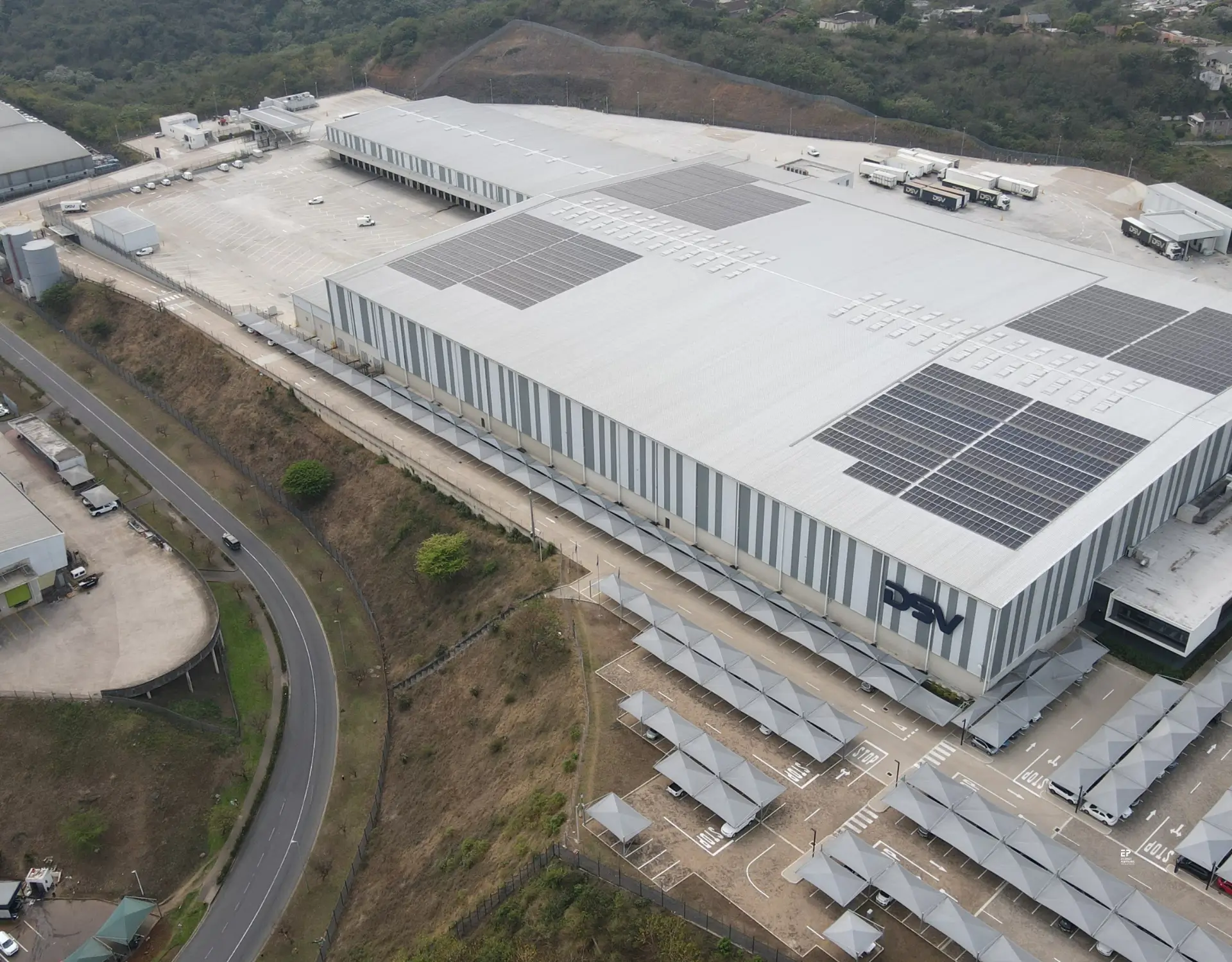
In under ten months, the company equipped DSV’s largest South African transport hubs in Durban
(Riverhorse), Johannesburg (Plumbago) and Cape Town (Solar City) with integrated solar PV
and battery energy storage systems (BESS).
“We completed a total of 4 MWp solar PV installations paired with 7 MWh of battery storage at
the respective sites,” says Charl du Plessis, General Manager of Power at Energy Partners.
Setting a new benchmark for uninterrupted power
A key requirement from DSV was that the transition between power sources had to be completely
interruption-free. “In terms of a truly uninterrupted power supply, a project of this magnitude has
never been attempted in South Africa for a medium voltage connected site before,” notes du
Plessis.
DSV Director: Property and Facilities Management, QSHE, Sustainability and Projects, Sbusiso
Dlamini, says the outcome has set a new standard: “The DSV solar and BESS project has set the
benchmark of what can be achieved to ensure security of supply and long-term sustainability in
the commercial and industrial sector. In partnership with Energy Partners, this technically complex
project was delivered on time and within budget. This project is instrumental in ensuring smooth
operations in the long term for DSV.”
Intelligent power orchestration, in real time
In conventional BESS systems, there is a brief interruption between grid power dropping and the
battery systems activating. “It’s only a few milliseconds, but it’s enough to trip critical equipment
and impact operations,” du Plessis adds. To overcome this, Energy Partners pioneered an
Uninterrupted Power Supply (UPS) system that guarantees a seamless transition between grid
and battery power.
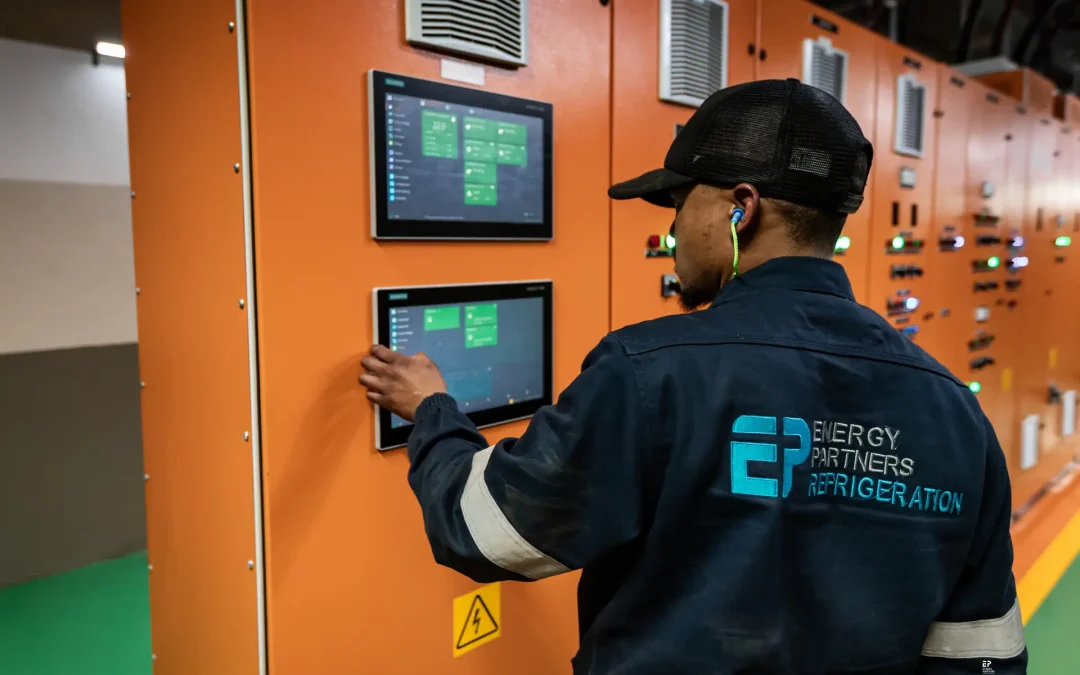
“This was paired with our proprietary control system, which allows us to remotely monitor and
actively control the allocation of electricity on the sites.”
Beyond risk management and business continuity, the system also helps reduce DSV’s carbon
footprint. “We’ve integrated renewable energy generation and battery storage with DSV’s existing
diesel power generation and grid connection,” continues du Plessis. “Our advanced control
system ensures that cleaner energy sources are prioritised and fully optimised.”
The system automatically switches between power sources to maintain operation continuity,
stabilising any fluctuations in grid-tied supply. It also has the built-in flexibility to accommodate
any future upgrades, ensuring that the DSV facilities remain future-proofed.
Scaling fast without compromise
Executing the three-site rollout simultaneously posed significant engineering challenges. “We
allocated four to six teams at any given time to the project, navigating extensive regulatory and
safety requirements in a very short turnaround time. This project shows why it’s essential to
partner with a company that has the expertise, capacity and engineering depth to model and
oversee every step of the design, procurement and installation process,” says du Plessis.
Recent changes in South Africa’s energy landscape, including above-inflation tariff increases and
a 45% decline in battery cell prices over the last three years, the business case for commercial
and industrial BESS solutions has accelerated.
“Using electricity smartly and cost effectively is already a factor that can make or break a
business,” concludes Du Plessis. “This project proves that the right solution can be engineered at
scale without compromising operational continuity.”